
Septic pumping, repair and installation across Iowa
Tell us your county and what the system is doing. The quote is free.
Get a free quote
Tell us your county and what is going on. You hire whoever you want, at their price.
Septic services across Iowa
-
Septic Tank Pumping and Cleaning
What a pump-out costs, and how often to do it.
-
Septic System Repair
From a small fix to a whole new drain field.
-
Septic Installation and Replacement
Soil, permits, and what a new system costs.
-
Time-of-Transfer Septic Inspection
Iowa law requires this before most homes sell.
-
Septic System Inspection
A full check of the tank and drain field.
What this work looks like

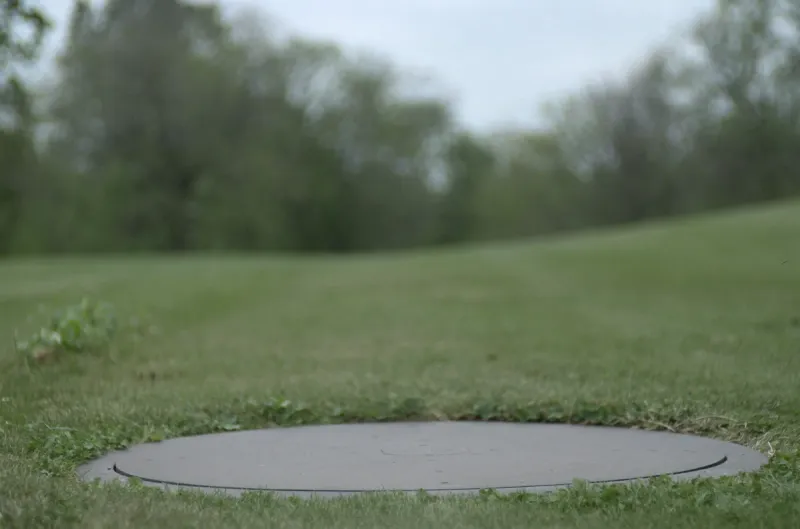
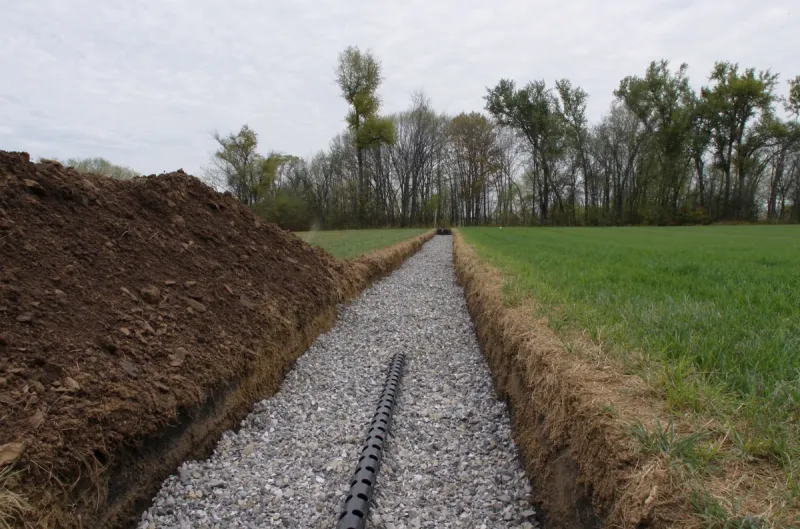

The one Iowa forces
Selling? Get the system checked first
Most Iowa homes on septic cannot be sold until the system is checked. A pass is good for two years. Do it early.
Does this apply to my home?
City blocks are on sewer, so the rule rarely touches them. It hits the acreages and small towns around Des Moines, Cedar Rapids and Iowa City, where the house runs on its own system.
The state sets the rule. Your county office runs it day to day. Every report filed since 2022 is public, so you can look one up before you buy.
Read the full guide or the inspection page.
Service areas across Iowa
What happens after you send it
Your request goes to an independent local septic professional, usually within about an hour during the day. That professional then contacts you to look at the system and quote the work on their own schedule.
Common questions
How much does septic tank pumping cost in Iowa?
About $233 to $274 for a 1,000-gallon tank near Des Moines, per the cost site ProMatcher. Another cost site, Manta, puts a Polk County pump-out higher, at $290 to $700. Both are estimates, not quotes. Your price depends on tank size, how easy the lid is to reach, and how long it has been. Most Iowa tanks need this every two to three years.
What does a septic repair or a new system cost?
A new drain field runs about $2,500 to $10,000 in Iowa, per Angi. A whole new system for a three-bedroom house runs about $6,282 to $7,464 near Des Moines, per ProMatcher. That price leaves out permits, soil tests, and special systems. Small fixes, like a cracked box or a bad pump, cost far less.
What is a time-of-transfer septic inspection?
Iowa law says most homes on a septic system must be checked before they are sold. A certified inspector opens the tank, looks at the tank and drain field, and files a report with the state. A passing report is good for two years. If the system fails, it has to be fixed. That is usually sorted out as part of the sale.
Who pays for the inspection and any repairs?
The buyer and seller work that out, and it usually goes in the purchase contract. The inspection is the small cost. A repair is the big one. That is why sellers do better when they find out early.
Do I have to use a certain contractor?
No. You pick. For a sale report, the person must be on Iowa’s certified inspector list. For pumping, the company should hold a septic tank cleaner license. You can check both lists yourself. We link them on this page.
Updated